English
 русский
 한국어
한국어 عربى
عربى Español
 中文简体
中文简体Quelles sont les utilisations d’un fer à vapeur ?
Administrateur 2026-06-12Content
- 1 Utilisation principale : éliminer les rides des vêtements de tous les jours
- 2 Vapeur verticale : rafraîchir les vêtements suspendus sans planche à repasser
- 3 Le rôle du tuyau de vapeur dans les systèmes de vapeur professionnels et domestiques
- 4 Comprendre le réservoir d'eau du cuiseur vapeur : capacité, remplissage et entretien
- 5 Pressage de plis nets et mise en forme du tissu
- 6 Désinfection et élimination des odeurs
- 7 Utilisation dans les projets de couture, de courtepointe et d'artisanat
- 8 Entretien des textiles ménagers : rideaux, literie et tissus d'ameublement
- 9 Utilisations du fer à vapeur portable et de voyage
- 10 Fer à vapeur ou défroisseur portatif : choisir le bon outil
- 11 Conseils pour obtenir les meilleurs résultats avec un fer à vapeur
- 12 À propos de Ningbo Mayway Electrical Appliance Co., Ltd.
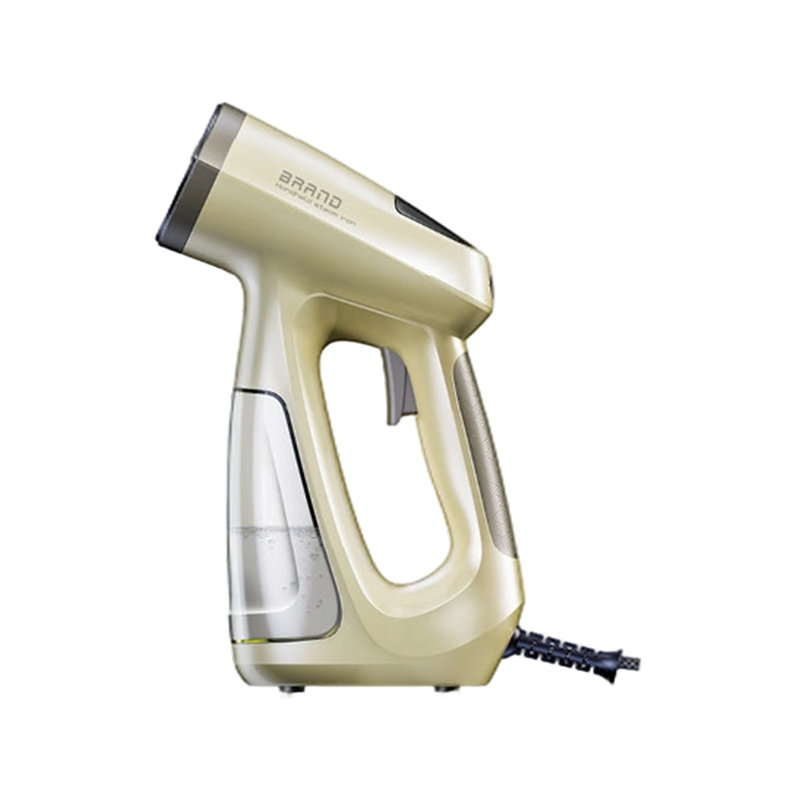
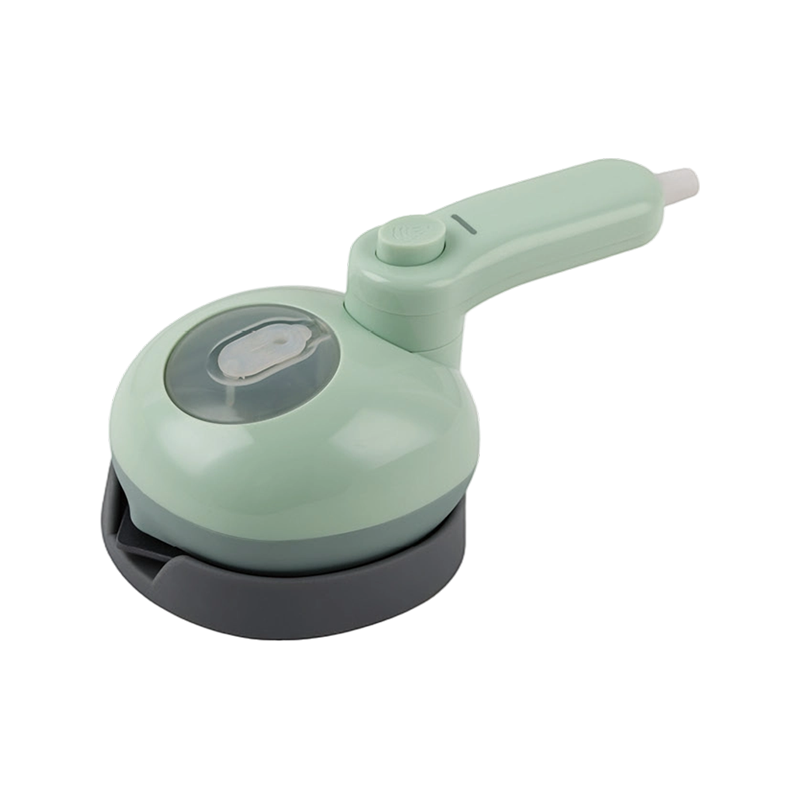
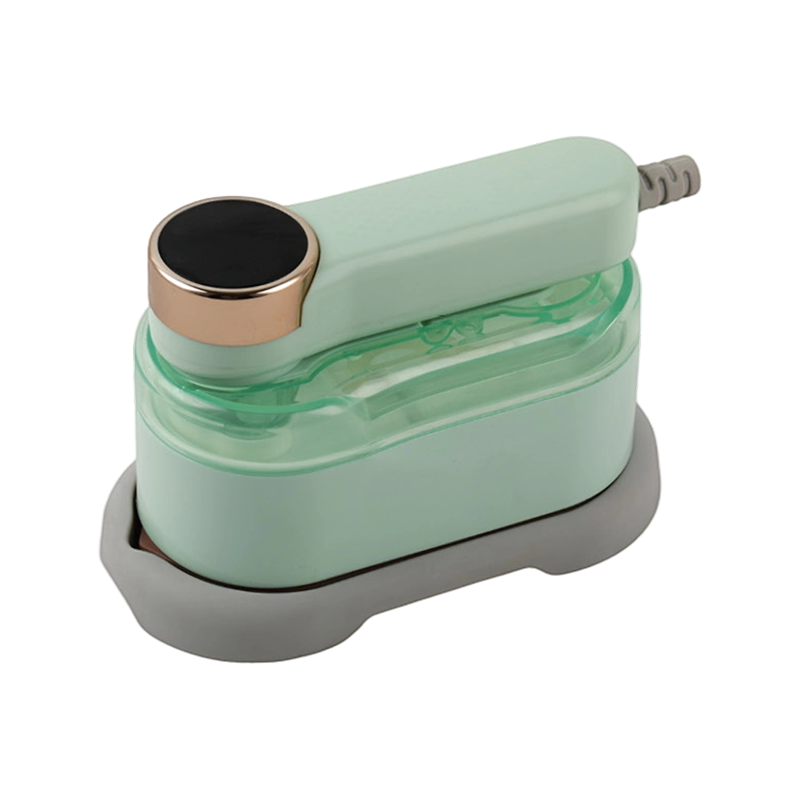
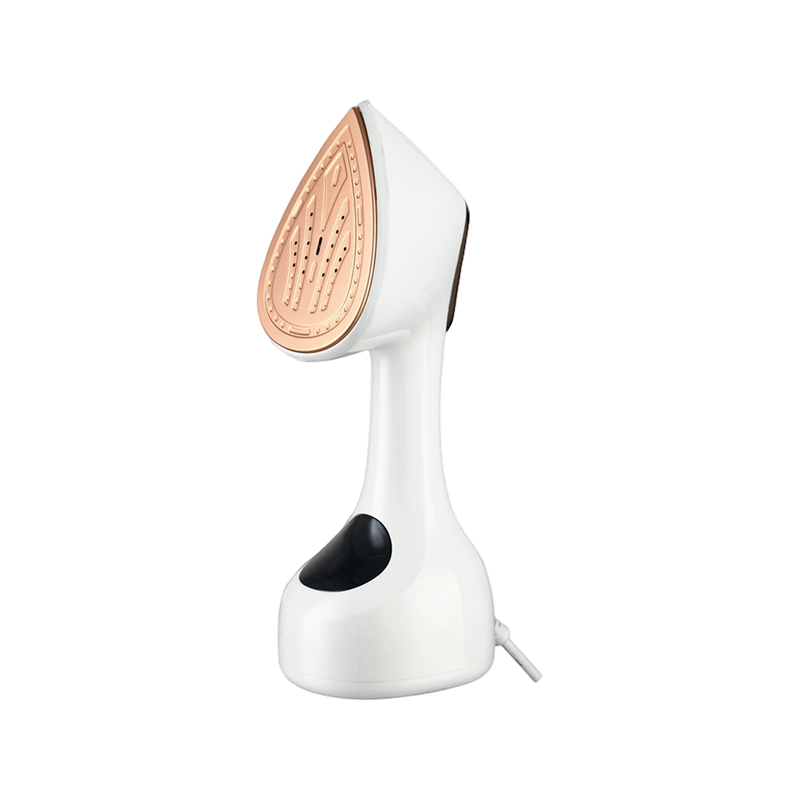
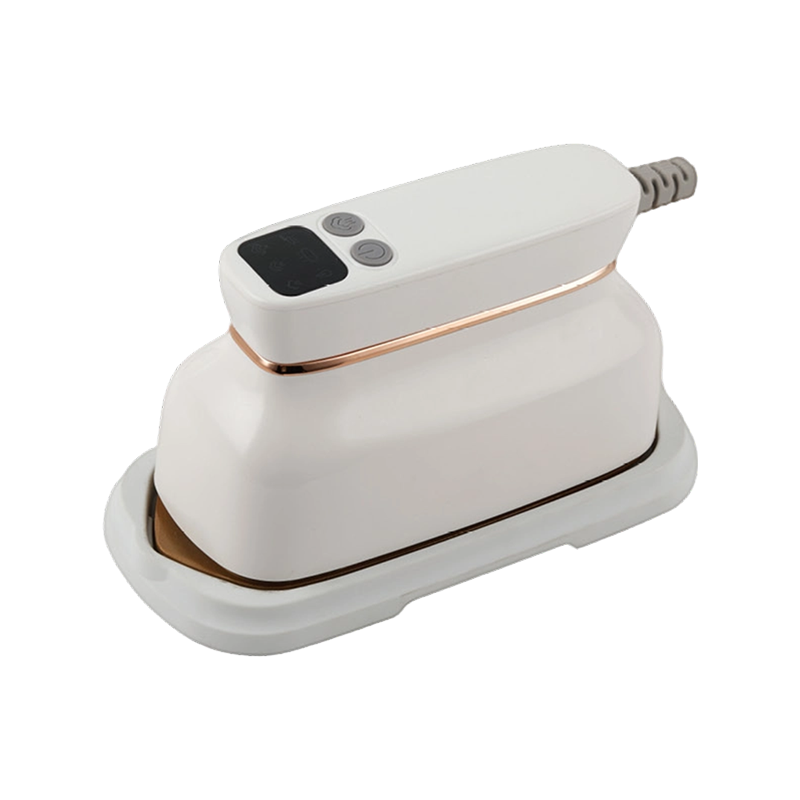
A fer à vapeur est un appareil de pressage électrique qui combine la chaleur et la vapeur sous pression pour éliminer les rides, les plis et les plis indésirables des vêtements et des tissus. La vapeur pénètre dans les fibres du tissu, les détendant afin que la semelle lestée du fer puisse les faire glisser à plat, obtenant ainsi des résultats qu'un fer sec seul ne peut égaler. Les fers à vapeur modernes sont utilisés non seulement pour les vêtements, mais aussi pour les textiles ménagers, les projets d'artisanat et la finition professionnelle des vêtements.
Le mécanisme central est simple : l'eau stockée dans le réservoir interne du fer est chauffée pour générer de la vapeur, qui est expulsée par les trous de la semelle sur le tissu. La combinaison de l'humidité, de la chaleur et de la pression détend les fibres textiles rapidement et efficacement, généralement beaucoup plus rapidement que le repassage à sec du même vêtement. Un fer à vapeur portable va encore plus loin en rendant l'ensemble du processus léger, compact et utilisable n'importe où : à la maison, en voyage ou dans un cadre professionnel.
Utilisation principale : éliminer les rides des vêtements de tous les jours
L’utilisation la plus universelle d’un fer à vapeur est l’élimination des plis sur les vêtements du quotidien. Les chemises, pantalons, robes, jupes, vestes et chemisiers bénéficient tous de la combinaison de chaleur et de vapeur qu'offre un fer à repasser de qualité. Les fers à vapeur peuvent réduire le temps de repassage jusqu'à 40 % par rapport aux fers à sec. , car l'humidité détend les fibres du tissu plus efficacement, nécessitant moins de passages sur la même zone.
Différents types de tissus nécessitent différents réglages de température et de vapeur. Le coton et le lin tolèrent une chaleur élevée et bénéficient d'un débit de vapeur important, tandis que les synthétiques, la soie et les mélanges délicats nécessitent des températures plus basses et une vapeur plus légère. La plupart des fers à vapeur modernes comprennent un guide de tissu ou un cadran qui mappe les paramètres aux types de textiles courants, permettant ainsi aux utilisateurs de sélectionner facilement la bonne combinaison sans deviner.
- Coton et lin : Chaleur élevée (200-230°C), vapeur maximale : ces fibres naturelles absorbent bien l'humidité et nécessitent une pression ferme pour créer un pli net.
- Laine et cachemire : Chauffer à feu moyen avec de la vapeur, en utilisant un chiffon pressant pour éviter d'endommager la surface ou les marques de brillance.
- Synthétiques et polyester : Chaleur faible, vapeur minimale : une chaleur excessive peut faire fondre ou déformer les fibres synthétiques de façon permanente.
- Soie et tissus délicats : Température la plus basse, utilisation de la vapeur avec parcimonie ou pas du tout, repassage toujours sur l'envers.
Vapeur verticale : rafraîchir les vêtements suspendus sans planche à repasser
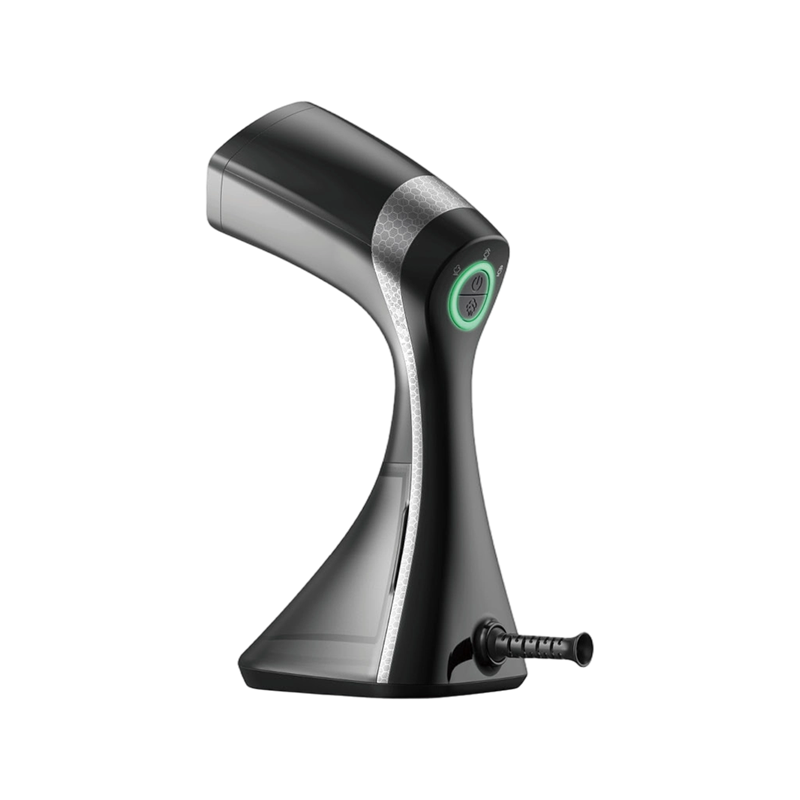
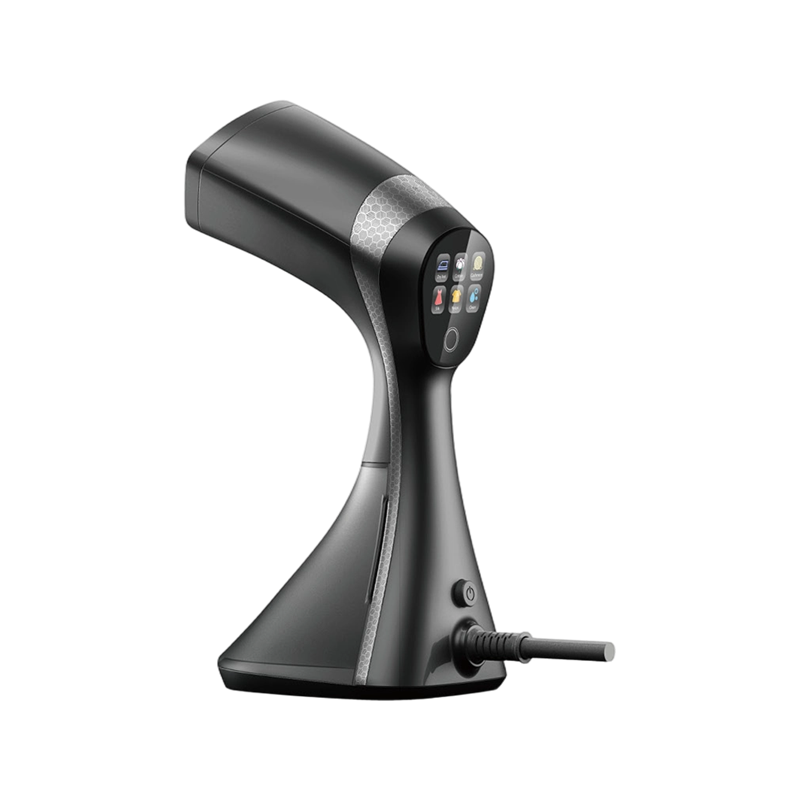
L’une des caractéristiques les plus pratiques d’un fer à vapeur portable moderne est la possibilité de défroisser les vêtements verticalement pendant qu’ils sont suspendus à un cintre. Ceci est particulièrement utile pour les articles délicats, tels que les chemisiers, les robes en soie ou les vestes structurées, qui ne doivent pas être repassés à plat, ainsi que pour rafraîchir rapidement les vêtements entre deux utilisations sans repassage complet.
Le défroissage vertical fonctionne en tenant le fer à une courte distance du tissu – généralement 1 à 3 cm – et en permettant à la vapeur expulsée de pénétrer et de détendre les fibres sans que la semelle n'entre en contact direct. Cette technique est particulièrement efficace sur les rideaux, tentures et vestes de costume. , où le pressage à plat ne serait pas pratique. De nombreux utilisateurs considèrent que le défroissage vertical est le moyen le plus rapide de donner à un vêtement un aspect fraîchement lavé sans cycle complet de lavage et de repassage.
Le rôle du tuyau de vapeur dans les systèmes de vapeur professionnels et domestiques
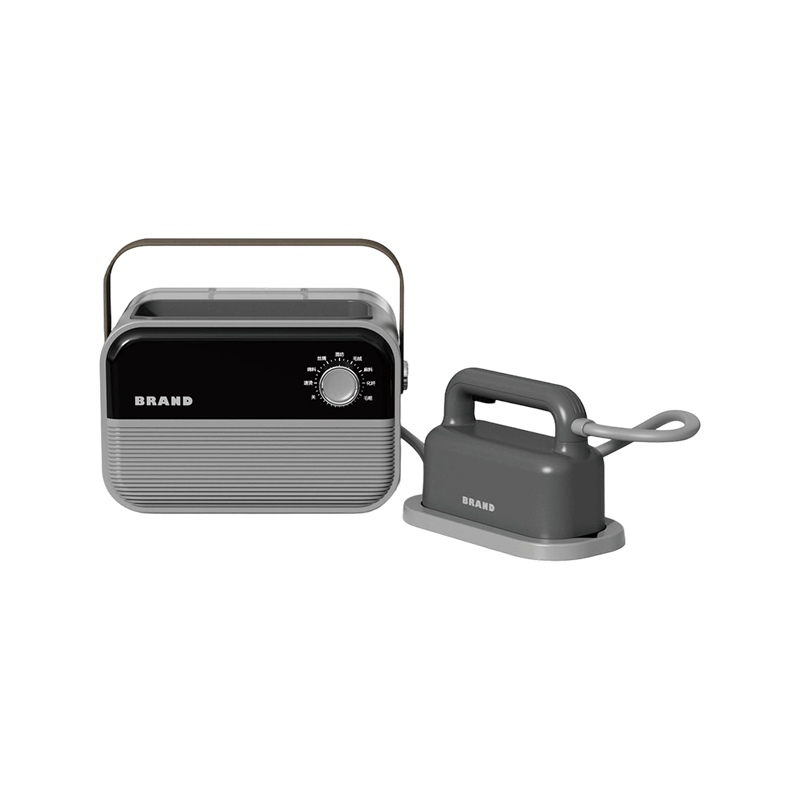
Dans les systèmes professionnels d'entretien des vêtements et de vapeur domestique à haut rendement, le tuyau de vapeur est un composant essentiel qui relie une unité de générateur de vapeur séparée et plus grande à la tête du fer ou à la brosse à vapeur. Plutôt que de s'appuyer sur un petit réservoir d'eau intégré, ces systèmes utilisent une chaudière au sol ou sur un comptoir qui produit un approvisionnement continu en vapeur à grand volume – délivré à la surface de pressage via un tuyau flexible et isolé.
Comment fonctionne le tuyau du cuiseur vapeur
Le tuyau transporte la vapeur sous pression de la chaudière au fer à une température et une pression constantes. Un tuyau de vapeur bien conçu est construit avec une chambre à air résistante à la vapeur à haute température, entourée d'une isolation pour éviter les pertes de chaleur et protéger l'utilisateur des brûlures, et une gaine extérieure flexible qui permet une liberté de mouvement naturelle pendant l'utilisation. La pression de vapeur dans les systèmes professionnels varie généralement de 3,5 à 6,5 bars , ce qui est nettement supérieur à la puissance de 1 à 2 bars d'un fer grand public standard, permettant une pénétration plus rapide des tissus épais tels que le denim, la toile et la laine épaisse.
Principaux avantages d'un système de tuyaux de vapeur séparés
- Alimentation en vapeur continue : Contrairement à un réservoir d'eau en fer intégré qui doit être rempli toutes les 15 à 30 minutes, un générateur doté d'un système de tuyaux peut fonctionner pendant des heures sans interruption, ce qui le rend idéal pour les blanchisseries professionnelles, les studios de couture et la finition de vêtements commerciaux.
- Tête de fer plus légère : Étant donné que l'eau est stockée dans une unité séparée, la tête de fer connectée au tuyau est nettement plus légère et plus facile à manœuvrer, réduisant ainsi la fatigue de l'opérateur lors d'une utilisation prolongée.
- Débit de vapeur plus élevé et plus constant : La chaudière maintient une pression de vapeur constante tout au long de la séance, contrairement aux petits réservoirs intégrés dont le débit de vapeur varie souvent à mesure que le niveau d'eau baisse.
- Accessoires polyvalents : Le même tuyau de cuiseur vapeur peut se connecter à différentes têtes – un fer à repasser, une brosse à vapeur, une buse pour tissus d'ameublement – ce qui rend le système multifonctionnel sans nécessiter plusieurs appareils.
Entretien et sécurité des tuyaux de vapeur
Le tuyau du cuiseur vapeur doit être inspecté régulièrement pour détecter tout signe d'usure, de pliage ou de dommage à la couche isolante. Un tuyau compromis peut entraîner des fuites de vapeur, un débit irrégulier ou un risque de brûlure. Les tuyaux doivent être stockés enroulés de manière lâche – et non pliés brusquement – et évacués de l’humidité résiduelle après chaque séance pour éviter l’accumulation de minéraux internes et la croissance de moisissures. Le remplacement rapide d'un tuyau usé maintient à la fois la sécurité et les performances constantes de l'ensemble du système de vapeur.
Comprendre le réservoir d'eau du cuiseur vapeur : capacité, remplissage et entretien
Le réservoir d'eau du cuiseur vapeur — qu'il soit intégré à un fer portable ou logé dans un générateur séparé — constitue le fondement de l'ensemble du processus de production de vapeur. Sa capacité, sa conception et son entretien affectent directement la durée de fonctionnement de l'appareil entre les recharges, la qualité de la vapeur qu'il produit et sa longévité dans le temps.
Capacité du réservoir et durée d'utilisation continue
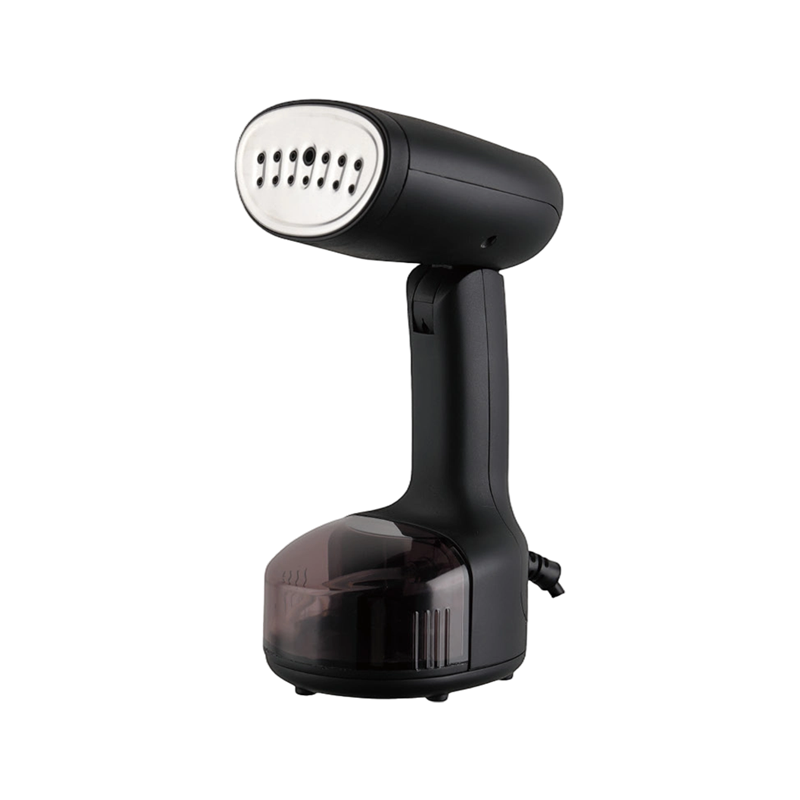
Dans les fers à vapeur portables, les capacités du réservoir d'eau intégré varient généralement de 80 ml à 350 ml . À un débit de vapeur modéré, un réservoir de 200 ml fournit environ 15 à 25 minutes de vapeur continue, soit suffisamment pour repasser 3 à 6 chemises en une seule séance. Les défroisseurs de vêtements plus grands et les systèmes basés sur un générateur peuvent utiliser des réservoirs de 1 à 2 litres ou plus, permettant des heures de fonctionnement ininterrompu.
| Type d'appareil | Capacité typique du réservoir | Env. Durée de la vapeur | Idéal pour |
|---|---|---|---|
| Fer à vapeur portatif | 80 à 200 ml | 10 à 20 minutes | Voyages, retouches rapides |
| Fer à vapeur domestique pleine grandeur | 200 à 350 ml | 20 à 35 minutes | Séances de repassage ménager |
| Défroisseur portatif | 150 à 300 ml | 15 à 30 minutes | Cuisson vapeur verticale, délicat |
| Générateur de vapeur / système professionnel | 1 000 à 2 000 ml | 60 à 120 minutes | Utilisation professionnelle à grand volume |
Qualité de l'eau et réservoir d'eau du cuiseur vapeur
Le type of water used in the steamer water tank has a significant impact on both performance and appliance lifespan. L'eau dure du robinet – contenant des minéraux dissous de calcium et de magnésium – déposera progressivement du tartre à l'intérieur du réservoir, de l'élément chauffant et des évents de vapeur. , réduisant ainsi le débit de vapeur et bloquant éventuellement les trous de la semelle. Dans les zones où l'eau est dure (au-dessus de 200 mg/L de matières dissoutes totales), il est fortement recommandé d'utiliser de l'eau distillée ou déminéralisée dans le réservoir.
De nombreux fers à vapeur modernes incluent un filtre anticalcaire ou une fonction autonettoyante qui élimine les dépôts minéraux du réservoir d'eau interne et des canaux de vapeur. L'activation régulière de cette fonction, généralement toutes les 2 à 4 semaines d'utilisation régulière, permet de maintenir un débit de vapeur optimal et de prolonger la durée de vie de l'appareil. Certains modèles haut de gamme disposent d'une cartouche anticalcaire amovible et rinçable qui peut être remplacée une fois saturée.
Remplissage et vidange corrects du réservoir d'eau du cuiseur vapeur
Une pratique de remplissage correcte évite à la fois un remplissage excessif (qui peut provoquer des projections d'eau de la semelle) et un remplissage insuffisant (qui conduit à une combustion à sec de l'élément chauffant). La plupart des fers comprennent une ligne de remplissage maximum marquée sur la fenêtre ou le réservoir du réservoir d'eau. Après chaque utilisation, l'eau restante dans le réservoir doit être vidée — laisser de l'eau stagnante accélère le tartre des minéraux et peut favoriser la croissance de bactéries ou d'algues à l'intérieur du réservoir au fil du temps. Le fer doit ensuite être stocké avec le réservoir vide et la semelle tournée vers le haut pour éviter que toute humidité résiduelle ne s'écoule sur les surfaces en tissu.
Pressage de plis nets et mise en forme du tissu
Un fer à vapeur n'est pas seulement utilisé pour éliminer les plis, c'est également l'outil de choix pour créer et entretenir des plis nets sur les pantalons, des plis sur les jupes et des plis structurés sur les chemises habillées. Un pli bien repassé sur un pantalon de costume ou un pantalon chino donne au vêtement une apparence soignée et professionnelle qui ne peut être obtenue par aucun autre moyen.
Pour repasser un pli, le vêtement est positionné précisément sur la planche à repasser, le fer est réglé à la température appropriée pour le tissu et une pression ferme vers le bas est appliquée tout en déplaçant le fer dans une direction le long de la ligne du pli. Pour les pantalons en laine, un chiffon humide placé entre le fer et le tissu protège la surface du textile tout en délivrant efficacement de la vapeur dans les fibres, fixant nettement le pli sans laisser de traces de brillance.
Désinfection et élimination des odeurs
La vapeur à des températures supérieures à 100°C possède des propriétés désinfectantes bien documentées. Des études indiquent que la vapeur au-dessus de 120 °C peut éliminer les bactéries courantes, les acariens et les allergènes présents dans les tissus en quelques secondes après son contact. Cela fait du fer à vapeur un outil d'hygiène pratique pour les ménages souffrant d'allergies, pour rafraîchir les vêtements qui ne peuvent pas être lavés fréquemment en machine et pour désinfecter les taies d'oreiller, les tissus d'ameublement et les tissus d'ameublement.
L’élimination des odeurs est un avantage étroitement lié. La vapeur pénètre dans les fibres des tissus et volatilise les composés organiques responsables des odeurs – provenant de la fumée, de la cuisson, de la transpiration ou du stockage – plus efficacement que les pulvérisations de surface seules. Quelques passages de vapeur sur une veste ou un manteau suspendu verticalement peuvent neutraliser les odeurs légères sans nécessiter de nettoyage à sec, prolongeant ainsi l'intervalle entre les nettoyages professionnels et réduisant à la fois les coûts et l'exposition aux produits chimiques.
Utilisation dans les projets de couture, de courtepointe et d'artisanat
Pour les passionnés de couture, les tailleurs et les quilteurs, un fer à vapeur est un outil indispensable : il est utilisé beaucoup plus fréquemment lors de la confection d'un vêtement qu'un vêtement fini n'est jamais repassé par la suite. Presser chaque couture ouverte ou sur un côté au fur et à mesure de la couture est une technique fondamentale qui détermine la qualité et la finition professionnelle de la pièce terminée.
- Marges de couture de repassage : Après la couture, les coutures sont ouvertes ou sur le côté pour réduire l'encombrement, garantir une construction plate et rendre les lignes de couture ultérieures précises.
- Application d'un entoilage thermocollant : La chaleur de la vapeur active l'adhésif sur l'interface thermocollante, le liant de manière permanente au tissu pour ajouter de la structure aux cols, poignets, ceintures et parements.
- Pièces tricotées bloquantes : Les pièces de vêtements tricotés sont épinglées et cuites à la vapeur pour fixer les fibres du fil aux dimensions correctes avant l'assemblage.
- Application des thermocollants et transferts : Les patchs activés par la chaleur, les transferts de broderie et les appliqués décoratifs sont collés au tissu à l'aide de la chaleur et de la légère pression du fer.
- Quilting et pressage patchwork : Les blocs de quilt sont pressés après chaque couture pour maintenir le patchwork à plat et garantir une correspondance précise des points et des intersections.
Entretien des textiles ménagers : rideaux, literie et tissus d'ameublement
Les applications d'un fer à vapeur s'étendent bien au-delà des vêtements. Les textiles de maison, notamment le linge de lit, les nappes, les rideaux et les meubles rembourrés, bénéficient tous d'un traitement à la vapeur, tant pour leur aspect que pour leur hygiène.
Rideaux et tentures
Les rideaux sur toute la longueur font partie des articles les plus difficiles à enlever et à repasser de manière conventionnelle. L'utilisation de la fonction vapeur verticale d'un fer à vapeur portable ou d'un défroisseur à main pendant que les rideaux restent suspendus permet d'éliminer les plis en quelques minutes, rétablissant ainsi le rideau suspendu sans avoir à démonter les rideaux et à les presser à plat sur une planche.
Linge de Lit et Nappes
Les draps, housses de couette et nappes en coton et en lin se froissent fortement lors du lavage et du séchage. Un fer à vapeur réglé à haute température avec un débit de vapeur maximal presse ces gros articles plats rapidement et efficacement. , produisant des résultats nets de qualité hôtelière que le séchage par culbutage seul ne peut pas obtenir. Pour les nappes de salle à manger formelle en particulier, une surface bien pressée est un indicateur visible de soin et de qualité.
Meubles rembourrés
Les canapés, fauteuils et housses de coussin en tissu accumulent les plis, les plis et les odeurs au fil du temps. Un fer à vapeur portatif ou une brosse à vapeur utilisés à distance, sans contact direct sur les tissus d'ameublement délicats, peuvent rafraîchir la surface du tissu, réduire les salissures légères, neutraliser les odeurs et tuer les acariens incrustés dans les fibres du rembourrage. Il s'agit d'une alternative économique au nettoyage professionnel des tissus d'ameublement pour l'entretien de routine.
Utilisations du fer à vapeur portable et de voyage
Pour les voyageurs d’affaires et les voyageurs fréquents, un fer à vapeur portable est l’un des articles les plus pratiques d’un kit de voyage. Les vêtements emballés dans une valise arrivent invariablement à destination froissés. Un fer à vapeur de voyage compact pesant seulement 300 à 500 grammes peut être chauffé et prêt à l'emploi en 30 à 45 secondes. , permettant de repasser une chemise ou un chemisier dans la chambre d'hôtel en moins de cinq minutes avant une réunion ou un événement important.
Les fers à vapeur portables conçus pour les voyages disposent généralement d'une capacité double tension (110 V/220 V) pour fonctionner dans n'importe quel pays, d'une conception pliable compacte, d'un réservoir d'eau petit mais fonctionnel et d'un élément de chauffage rapide. Certains modèles font également office de défroisseur portatif, donnant au voyageur la possibilité de défroisser les vêtements verticalement sur un cintre – utile dans les chambres d'hôtel où une planche à repasser peut être absente ou peu pratique à installer.
Fer à vapeur ou défroisseur portatif : choisir le bon outil
Les fers à vapeur et les défroisseurs portatifs sont des outils complémentaires qui excellent dans différentes situations. Comprendre leurs différences aide les utilisateurs à choisir l'appliance adaptée à chaque tâche.
| Caractéristique | Fer à vapeur | Défroisseur portatif pour vêtements |
|---|---|---|
| Élimination des rides | Excellent – la semelle presse les fibres à plat | Bon – la vapeur se détend mais n’appuie pas |
| Création de plis nets | Oui – nécessite une planche à repasser | Non |
| Vapeur verticale | Oui, sur la plupart des modèles modernes | Oui — fonction principale |
| Tissus délicats | Nécessite des soins ; risque de brûlure | Très sûr – aucun contact direct nécessaire |
| Portabilité | Modéré – nécessite une surface plane | Élevé – à utiliser n'importe où |
| Utilisation pour la couture et l'artisanat | Essentiel | Limité |
Pour la plupart des ménages, un fer à vapeur est l’appareil principal le plus polyvalent - capable de réaliser des tâches de pressage à plat, de réglage des plis, de défroissage vertical et de couture - tandis qu'un défroisseur à main sert de complément rapide et facile à transporter pour les vêtements rafraîchissants et les articles délicats.
Conseils pour obtenir les meilleurs résultats avec un fer à vapeur
Utiliser correctement un fer à vapeur prolonge à la fois la durée de vie de l'appareil et la qualité des résultats sur les tissus. Les pratiques suivantes sont largement recommandées par les professionnels de l’entretien des vêtements.
- Vérifiez toujours l'étiquette d'entretien du tissu avant de repasser et adaptez le réglage de la température du fer au type de tissu spécifié.
- Remplissez le réservoir d'eau avec de l'eau distillée ou filtrée lorsque cela est possible, en particulier dans les zones d'eau dure, pour éviter le tartre minéral.
- Laissez le fer atteindre complètement sa température réglée avant d'appuyer dessus. Se précipiter pendant que l'élément chauffe encore entraîne une production de vapeur inégale et des crachats potentiels.
- Repassez les vêtements foncés ou colorés sur l’envers pour éviter que la surface ne brille en raison de la chaleur sur l’envers du tissu extérieur.
- Utilisez un chiffon pressé entre le fer et les tissus délicats, la laine ou le velours pour protéger la surface et éviter les dommages causés par la chaleur.
- Videz complètement le réservoir d'eau du cuiseur vapeur après chaque utilisation et rangez le fer à plat ou dans son repose-talon - ne le stockez jamais avec de l'eau dans le réservoir à long terme.
- Exécutez régulièrement la fonction d'autonettoyage ou anticalcaire pour éliminer les dépôts minéraux des passages d'eau internes et maintenir un débit de vapeur optimal.
- Nettoyez périodiquement la semelle à l'aide d'un chiffon humide ou d'un nettoyant pour semelle pour éliminer les résidus d'interface thermocollante, d'amidon ou de finitions en tissu qui peuvent provoquer des traînées ou des taches.
À propos de Ningbo Mayway Electrical Appliance Co., Ltd.
Ningbo Mayway Electrical Appliance Co., Ltd. est un fabricant et exportateur professionnel de fers à vapeur portables pour vêtements et de fers à repasser portatifs pour vêtements, situé dans la zone industrielle du nord de Yuyao, Zhejiang, Chine — sur la rive sud de la baie de Hangzhou, 60 km du port de Ningbo , avec un accès pratique à Shanghai via le pont transocéanique de la baie de Hangzhou. L'usine couvre 8 000 mètres carrés et est équipé de forces techniques solides et d'équipements de production avancés.
Le company is a full-service operation encompassing design, development, production, sales, and related services. Its product range includes electric irons, handheld garment steamers, and steam brushes — all developed to meet diverse global market requirements. Ningbo Mayway détient la certification d'assurance qualité ISO 9001 et la certification BSCI , et ses produits sont homologués CE, GS, CB, ROHS, ERP et PAH, répondant aux normes réglementaires et de sécurité requises pour l'exportation vers l'Europe, l'Amérique du Nord et d'autres marchés clés dans le monde.
Pour des offres exclusives et des offres les plus récentes, inscrivez-vous en saisissant votre adresse e-mail ci-dessous.